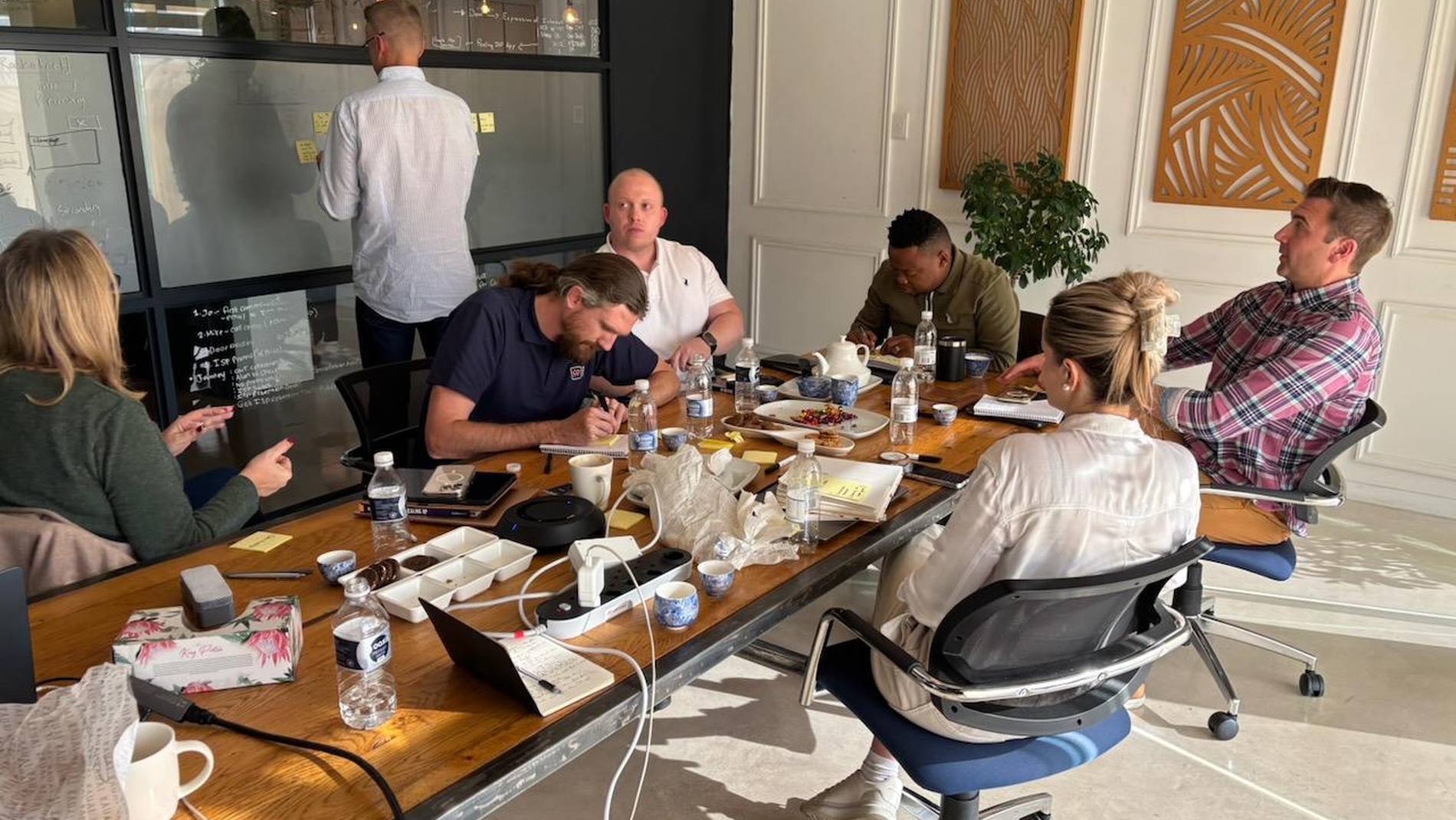
The business still needs you more than it should.
Peers who have built and sold their own companies, working with your whole leadership team to install a rhythm the business runs on. Not consultants on the sidelines. Partners in the room.
One hour, founder to founder. If we are not the right fit, you will leave with clarity anyway, and we will say so first.
























You start a business
by yourself.
Every founder we work with got here on their own judgement. That is exactly what stops working somewhere around thirty people.
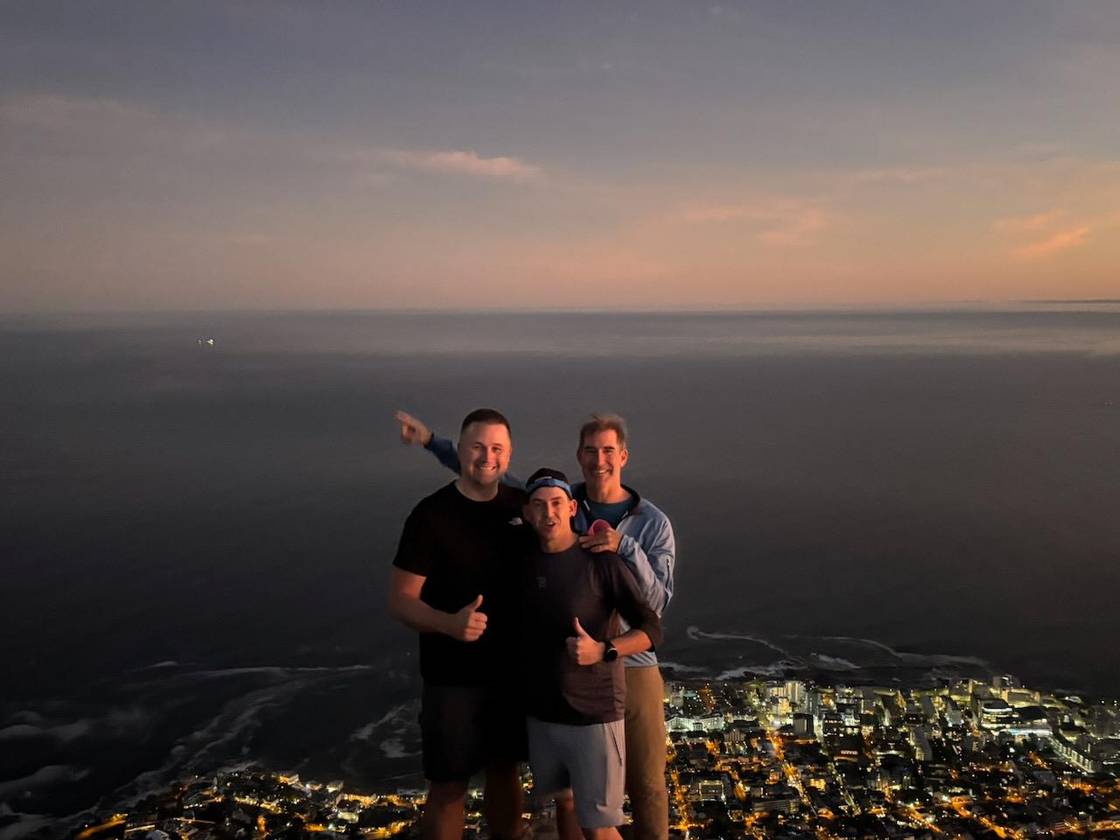
You scale it together.
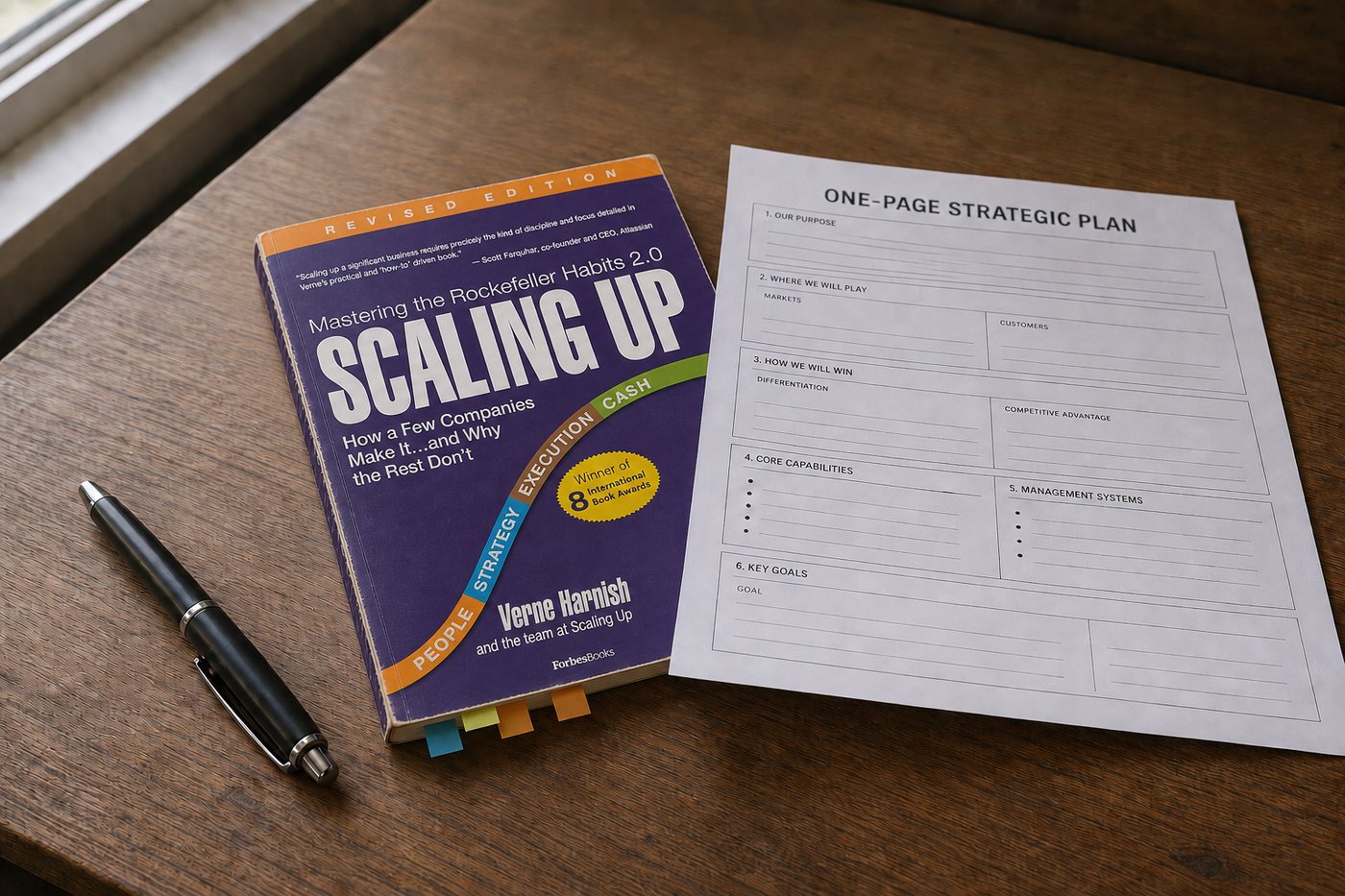
It starts with two days and a page.
The first two quarters install the operating system. After that it is a rhythm, and the rhythm is what does the work.
A day with your leadership team
Everyone who runs the business, in one room, off site. You leave with one page: where the company is going, what it will take to get there, and the list of things you are choosing not to do this year.
The first ninety days
Three or four priorities with one name against each. A weekly leadership meeting that ends in decisions. A daily huddle that takes eight minutes. What most teams notice first is that the meetings got shorter.
A day every quarter, from then on
Every ninety days the team stops, scores what was finished and what was not, and sets the next three. One of us is in the room each time. That is the commitment: a day a quarter, and a couple of hours a month.
What it looks like when it is working
The leadership team decides without you. The quarter finishes what it started. You can be out of the business for two weeks and it does not wobble.
People
The right people in the right seats.
Strategy
One page, and the long list of things you are not doing.
Execution
A cadence that survives a busy quarter.
Cash
Growth eats cash. Know which levers fund the next phase before it arrives.
Built on Verne Harnish’s Scaling Up, adapted to the South African reality and run in 21 South African companies.
35% year on year.
Ten months to sold.
Two of the numbers below belong to named founders who will take the call.
“We were working incredibly hard, but not always on the right things. We are no longer stuck in the day-to-day, and we have grown 35% year on year.”Laurian Venter, OneDayOnlyE-commerce, Cape Town, about 295 people
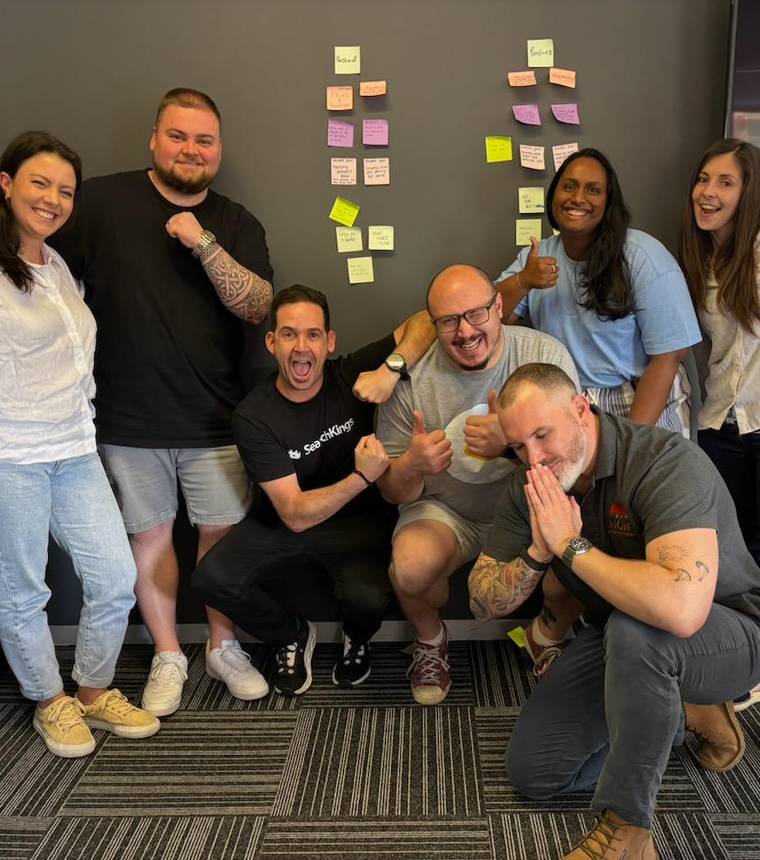
“I wanted to be sale-ready in two years. We sold ten months after we started.”Brett Perlstein, SearchKingsDigital marketing, Johannesburg
Five operators. Four exits.
Spread across Cape Town, the Winelands, Johannesburg and Durban on purpose, so whoever works with you can be in the room. Nobody on this bench is advising you from the outside of something they have never done.
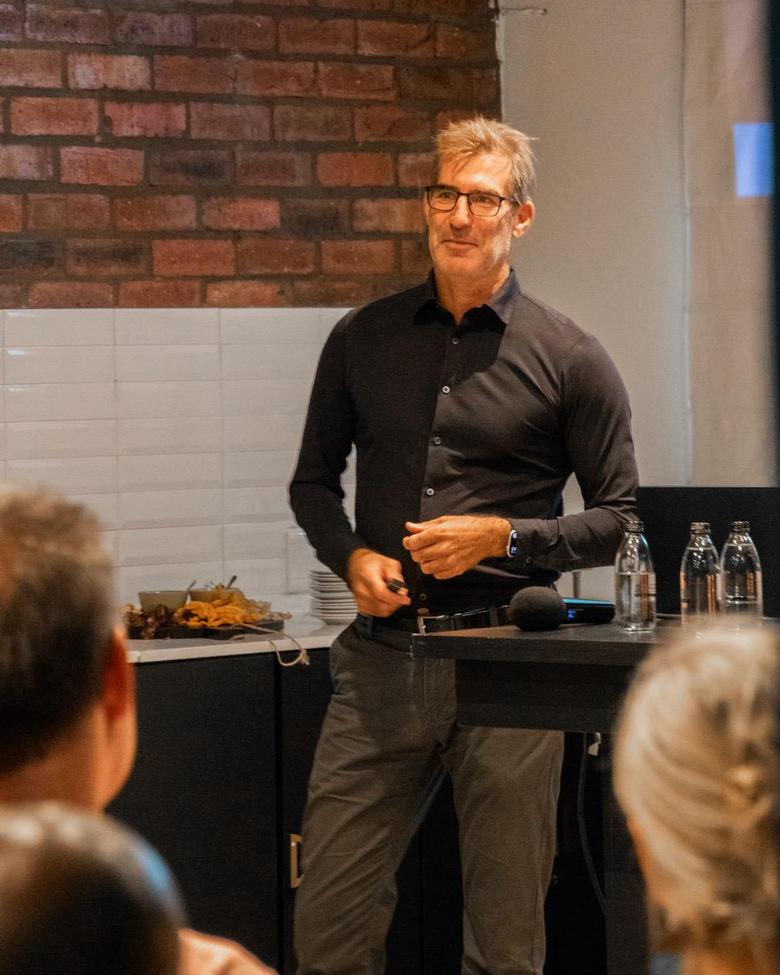
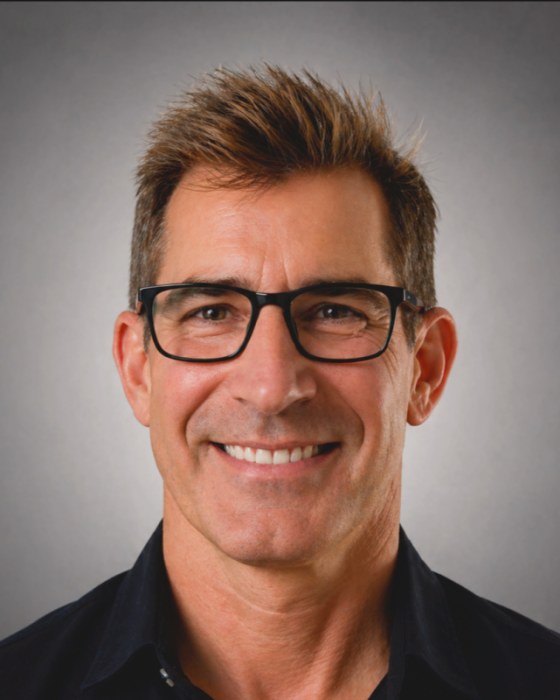
Built four companies of fifteen to a hundred and seventy people. Exited Semigator AG. Ex-BCG. EO Cape Town, and founder of EO Tanzania.
LinkedIn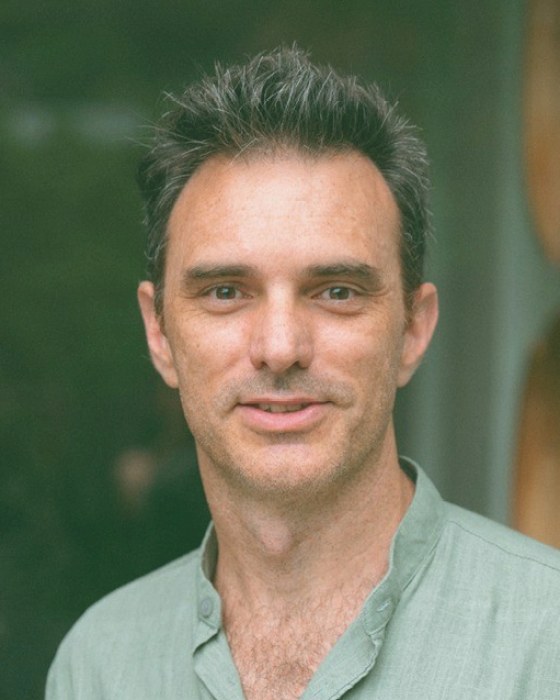
Founded and led getWorth to an R800M exit to Motus. Former CEO of Electronic Toll Collection SA.
LinkedIn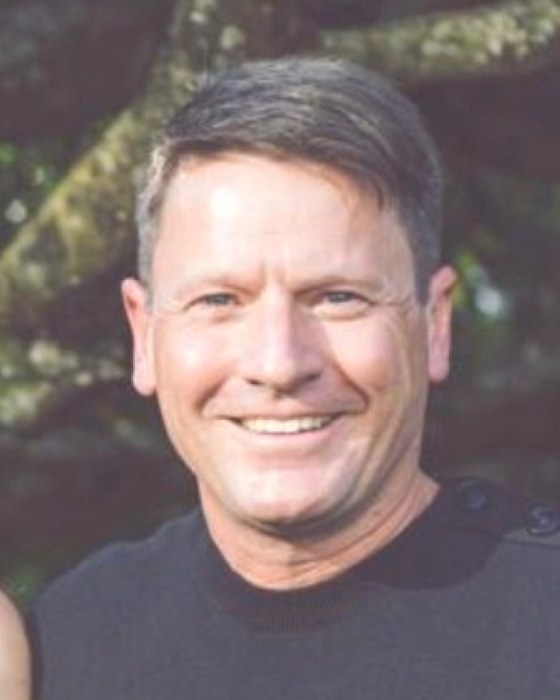
Co-founded and scaled Brave Group to about a hundred people, sold to private equity in 2025. Former MD at McCann and Grey across sixteen African markets.
LinkedIn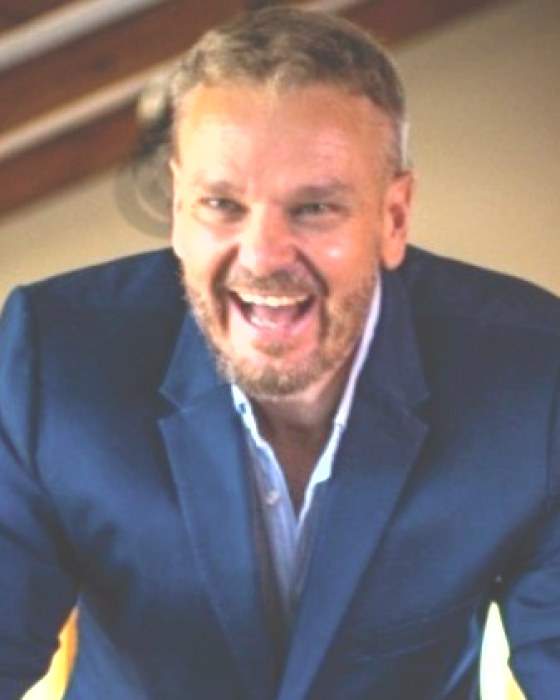
Founded WumDrop and sold it to Massmart. International retail and logistics executive.
LinkedIn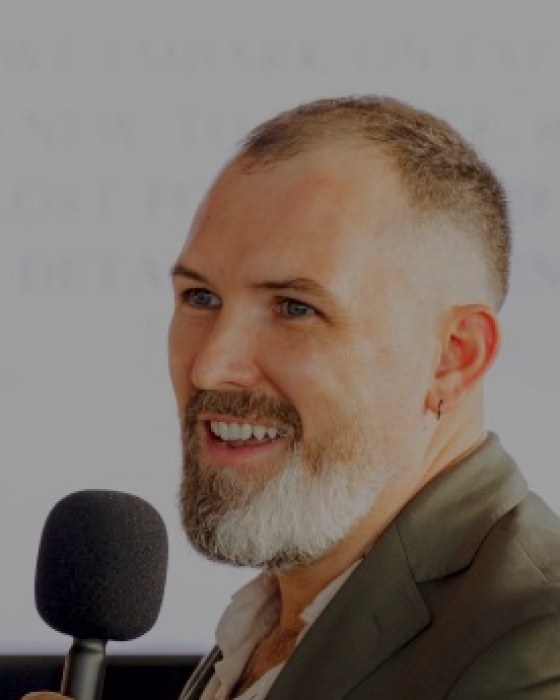
CA. Led his family’s motor group, the country’s largest Isuzu and Stellantis retailer. Founder of Pace Capital, investing in SMEs.
LinkedInOne hour,
founder to founder.
If we are not the right fit, you will leave with clarity anyway, and we will say so first. No pitch, no deck, no follow-up sequence.
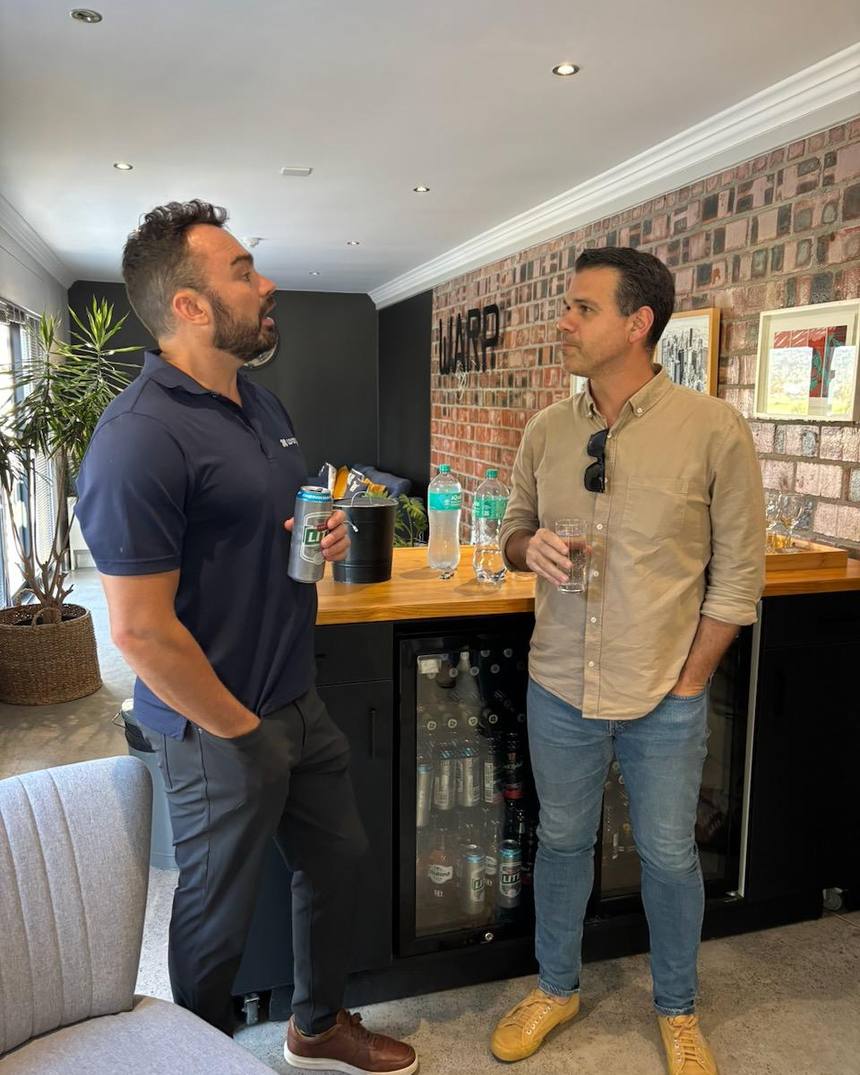
Cape Town and the Winelands, Johannesburg and Durban. Whoever works with you can be in the room.